Coperni Spring/Summer 2025: Modern Tech Princesses and Disney Magic at Disneyland Paris
Coperni’s Spring/Summer 2025 show marked an unprecedented moment in fashion history when designers Sébastien Meyer and Arnaud Vaillant transformed Disneyland Paris into a haute couture wonderland. Presented on October 1, 2024, this groundbreaking Coperni SS25 2025 ready-to-wear collection became the first Fashion Week show ever held at the iconic theme park, fundamentally challenging conventional assumptions about where and how fashion presentations should occur. The decision represented a bold departure from tradition, yet one grounded in the designers’ sophisticated understanding of contemporary cultural relevance and audience engagement. Through three meticulously choreographed narrative acts spanning from youthful park escapades through dark villainous transformation and culminating in ethereal princess metamorphosis, Coperni crafted their largest collection to date—one that proved fashion and fantasy need not exist in separate realms but rather can intertwine seamlessly when executed with artistic conviction. The collection demonstrated that spectacle, when paired with genuine design innovation and technical mastery, elevates rather than diminishes fashion’s intellectual credibility.
The Collection
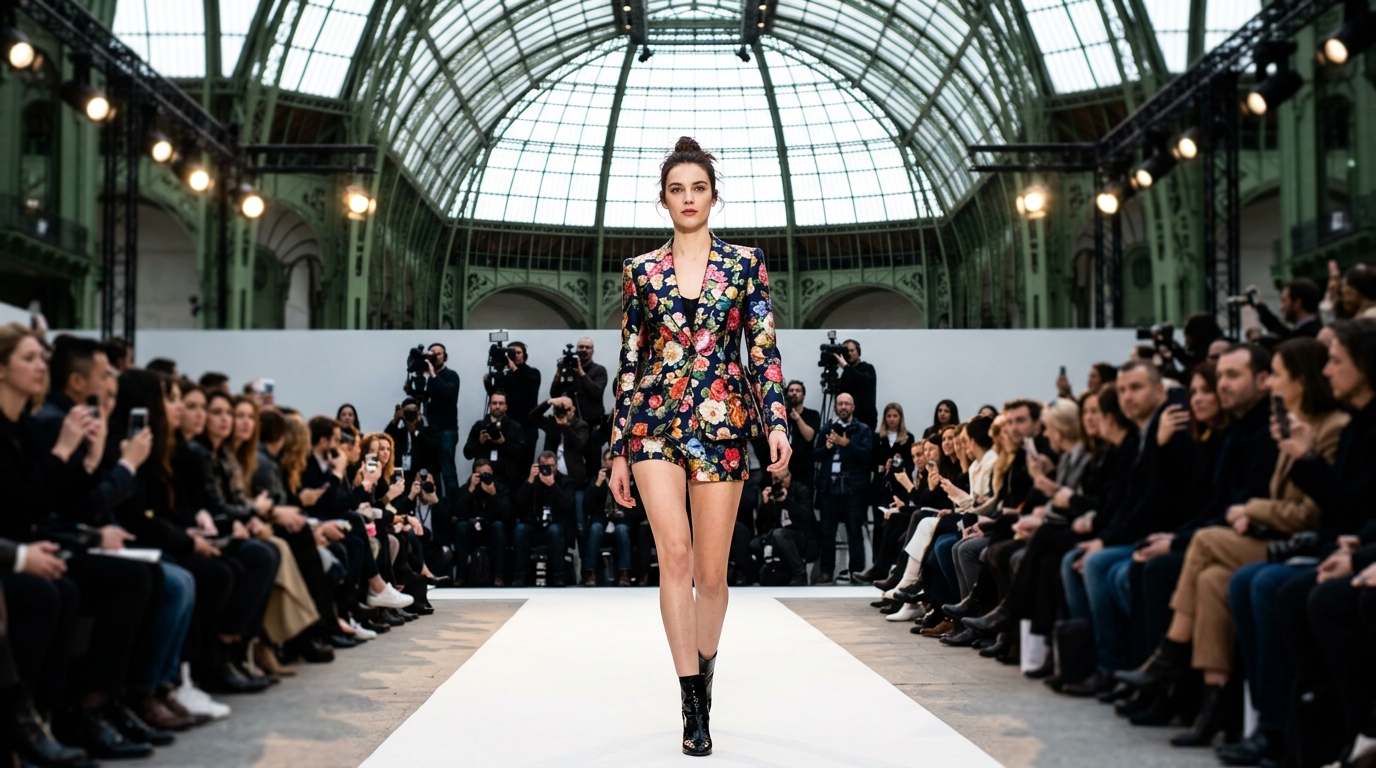
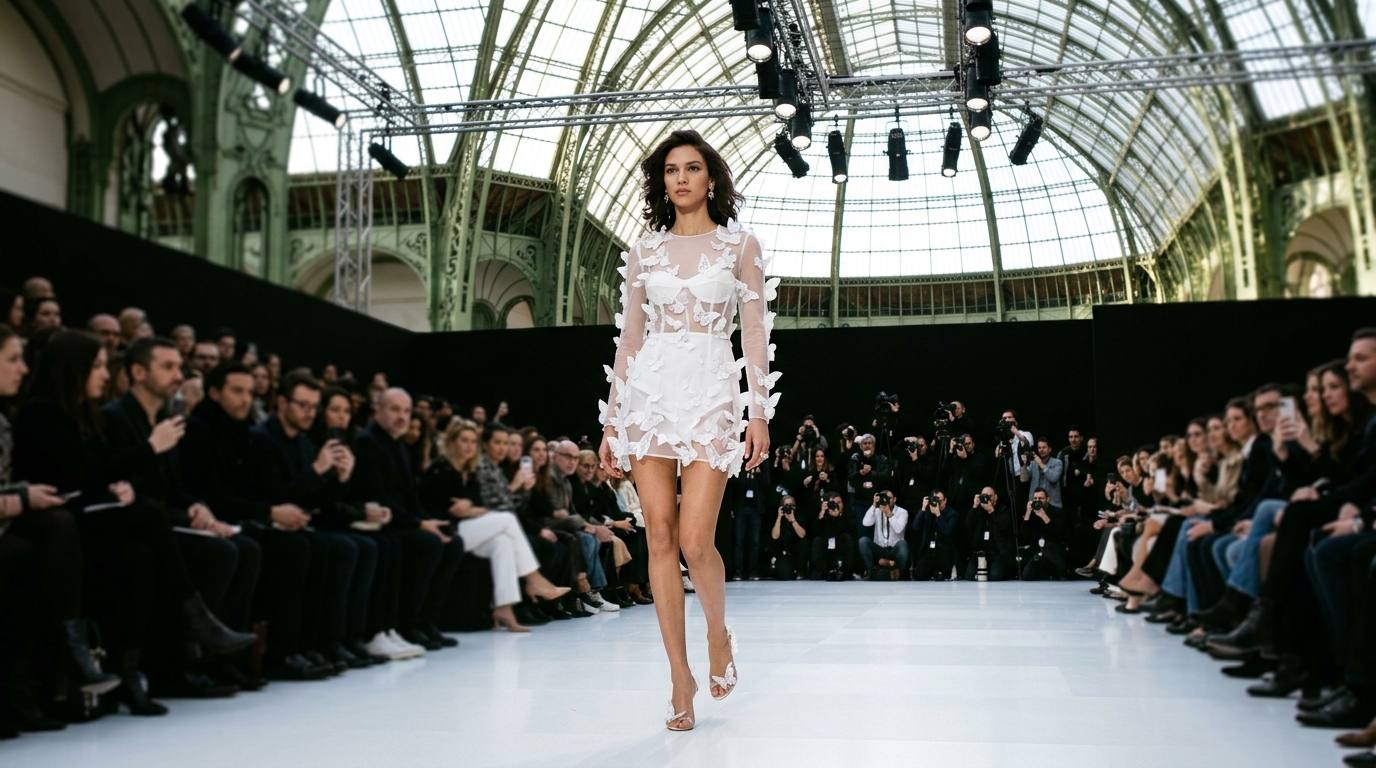
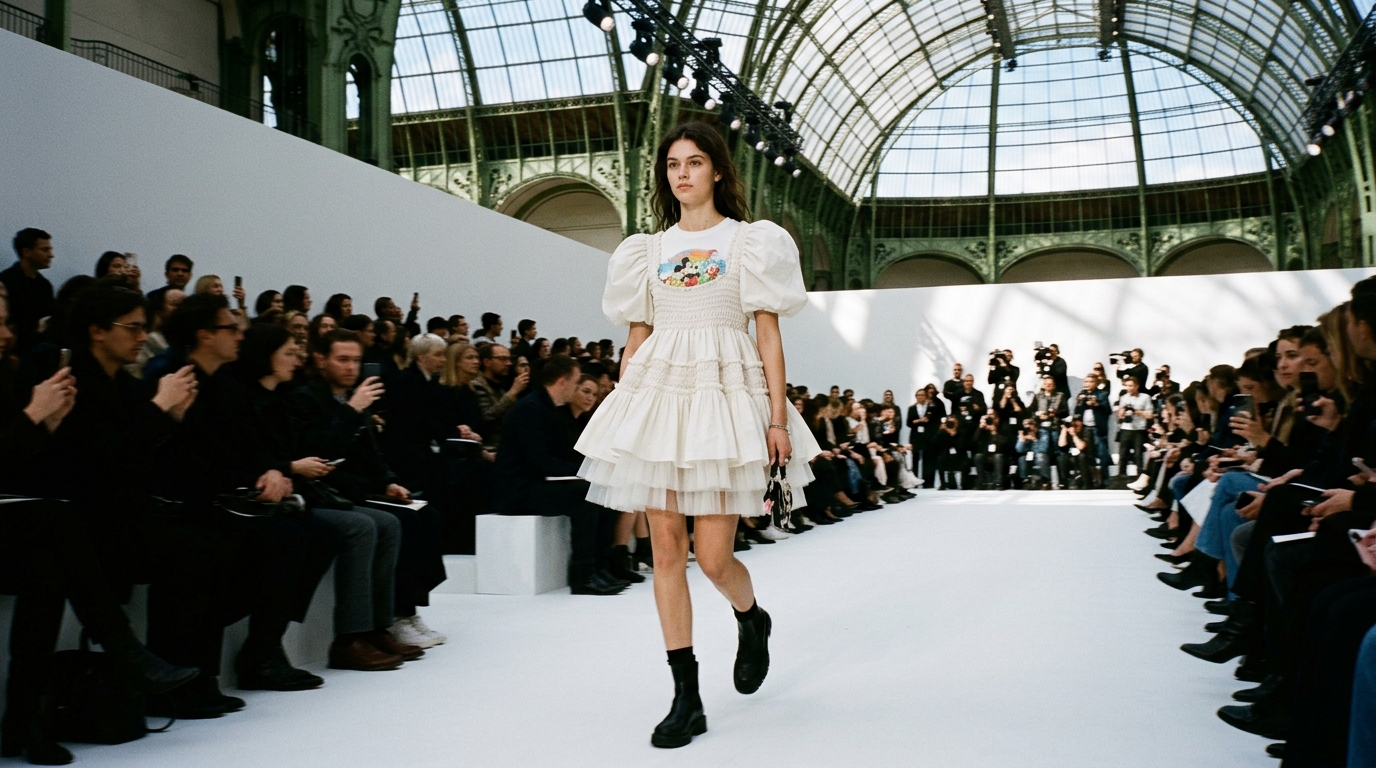
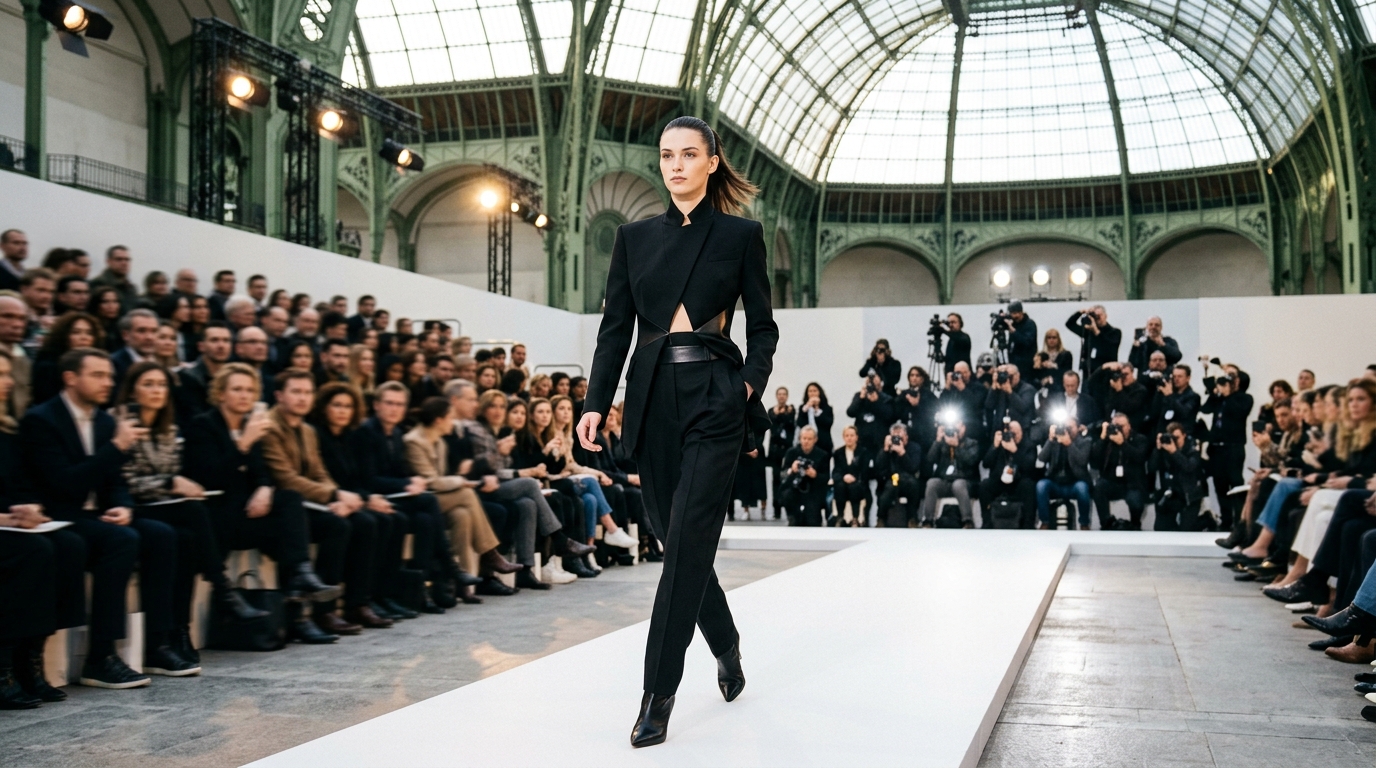
The Coperni SS25 collection unfolded as an elaborate fairytale narrative divided into three distinct acts, each representing a psychological and aesthetic stage of evolution from innocence through shadow to ultimate transformation and enlightenment. The first act, ‘Park Tribes,’ celebrated youth and nostalgic wonder through playful yet carefully curated Disney references: floral satin blazers paired with high-cut shorts demonstrated unexpected sophistication, organza butterflies adorning mini dresses and cardigans created delicate narrative punctuation throughout the lineup, and iconic Disney graphic tees layered beneath baby doll silhouettes merged pop culture with couture sensibility. Meyer and Vaillant grounded the whimsy in Coperni’s signature ‘It’ girl aesthetic, ensuring each piece remained commercially wearable and socially relevant despite its fantastical inspiration and aspirational positioning. The designers incorporated the recognizable visual language of Disney—Mickey Mouse ears adorning their cult-favorite Swipe bag, tiara silhouettes echoing Sleeping Beauty’s iconic crown, and playful pin badges scattered throughout garments—but always filtered through a distinctly contemporary fashion lens that elevated rather than pandered to their sophisticated clientele. This thoughtful curation prevented the collection from descending into costume theater, instead creating a compelling dialogue between childhood memory and adult aspiration.
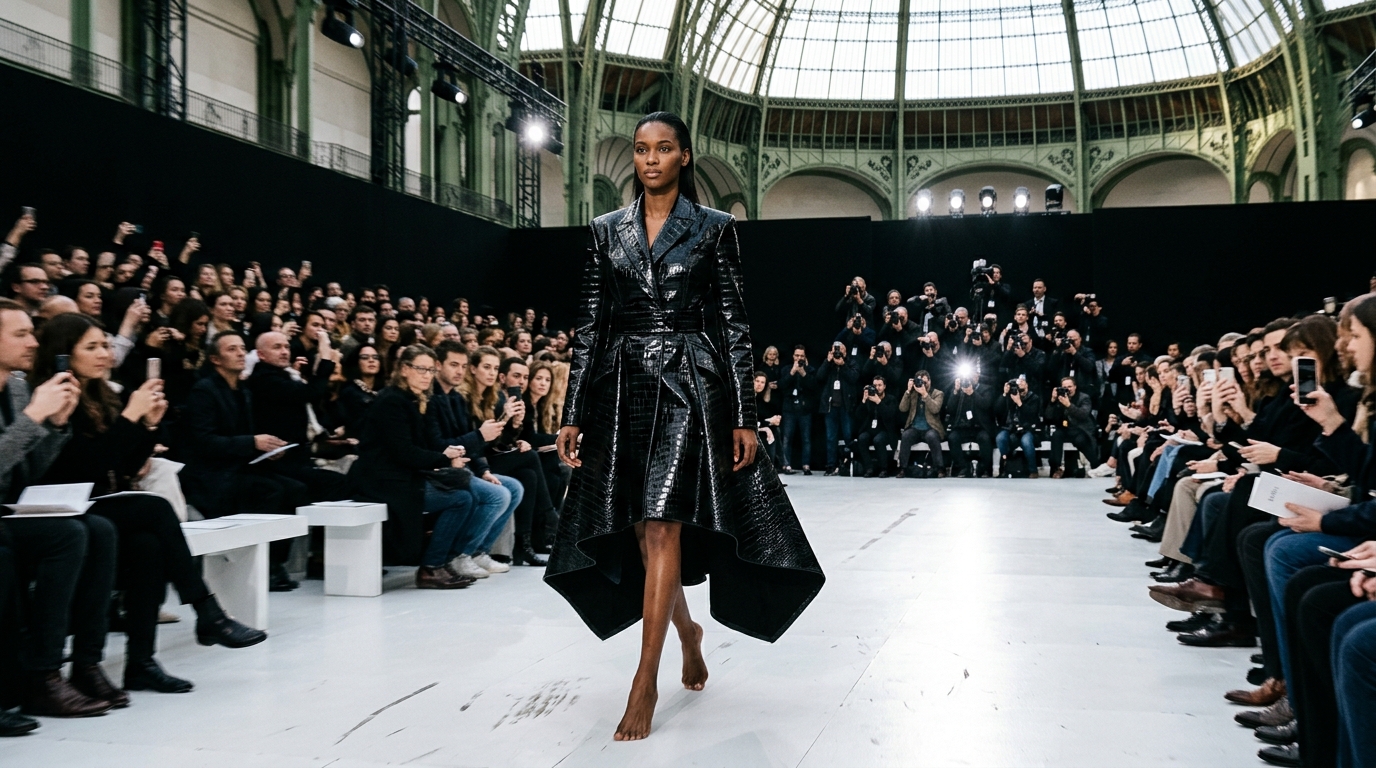
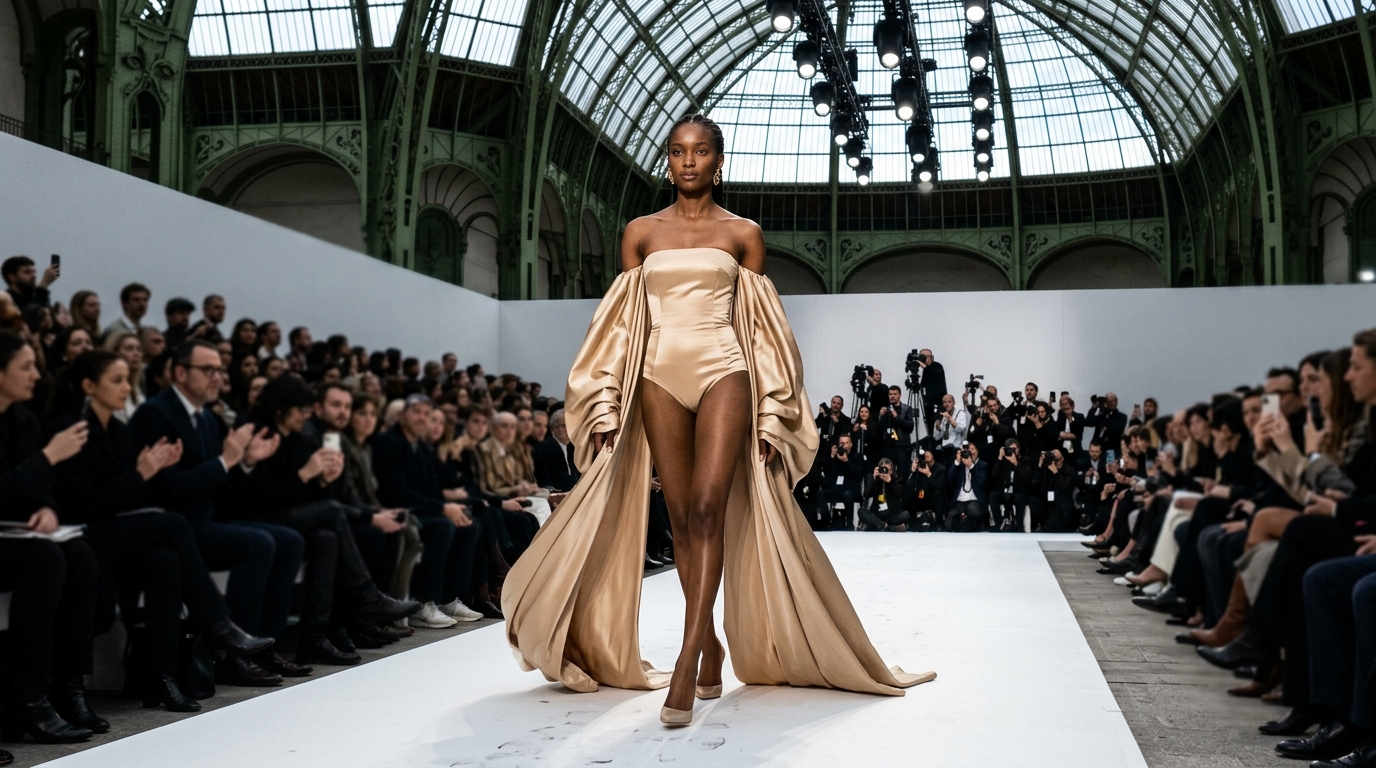
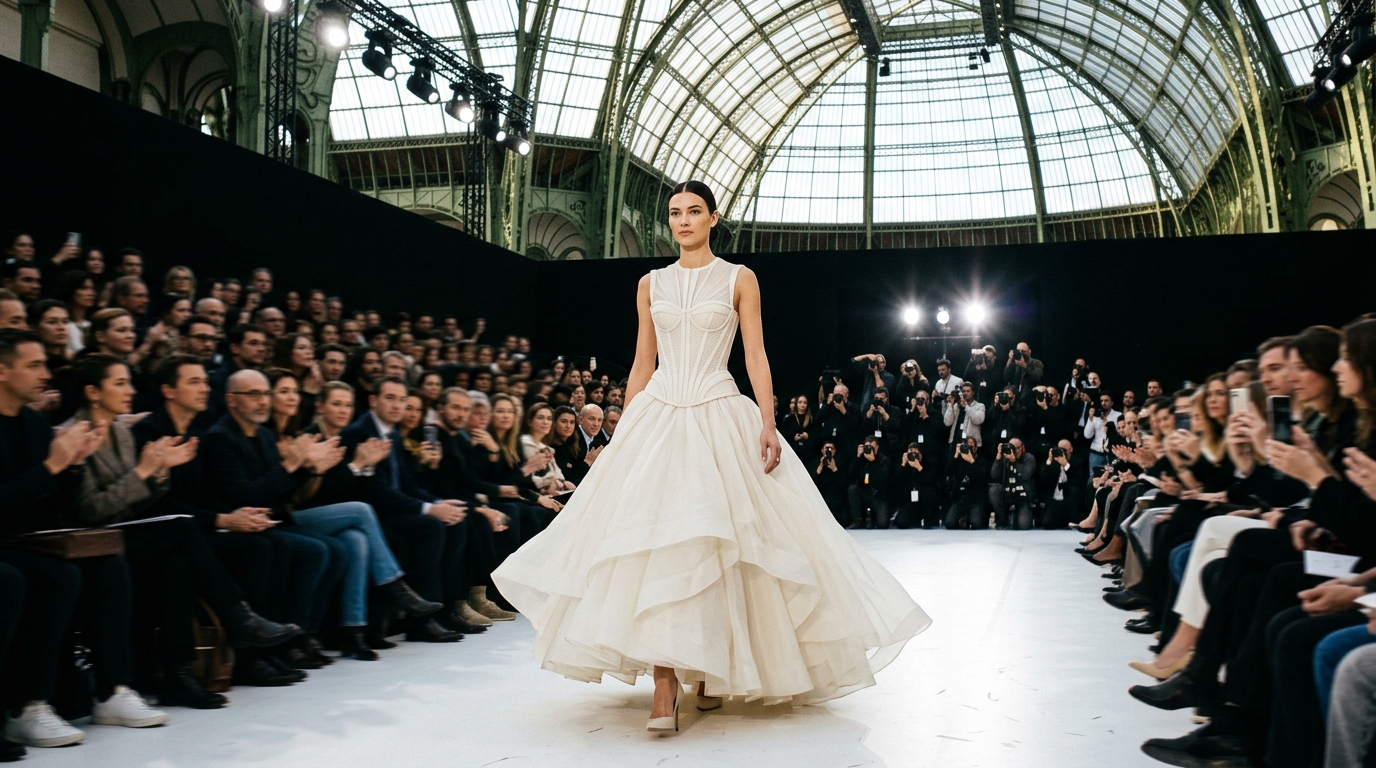
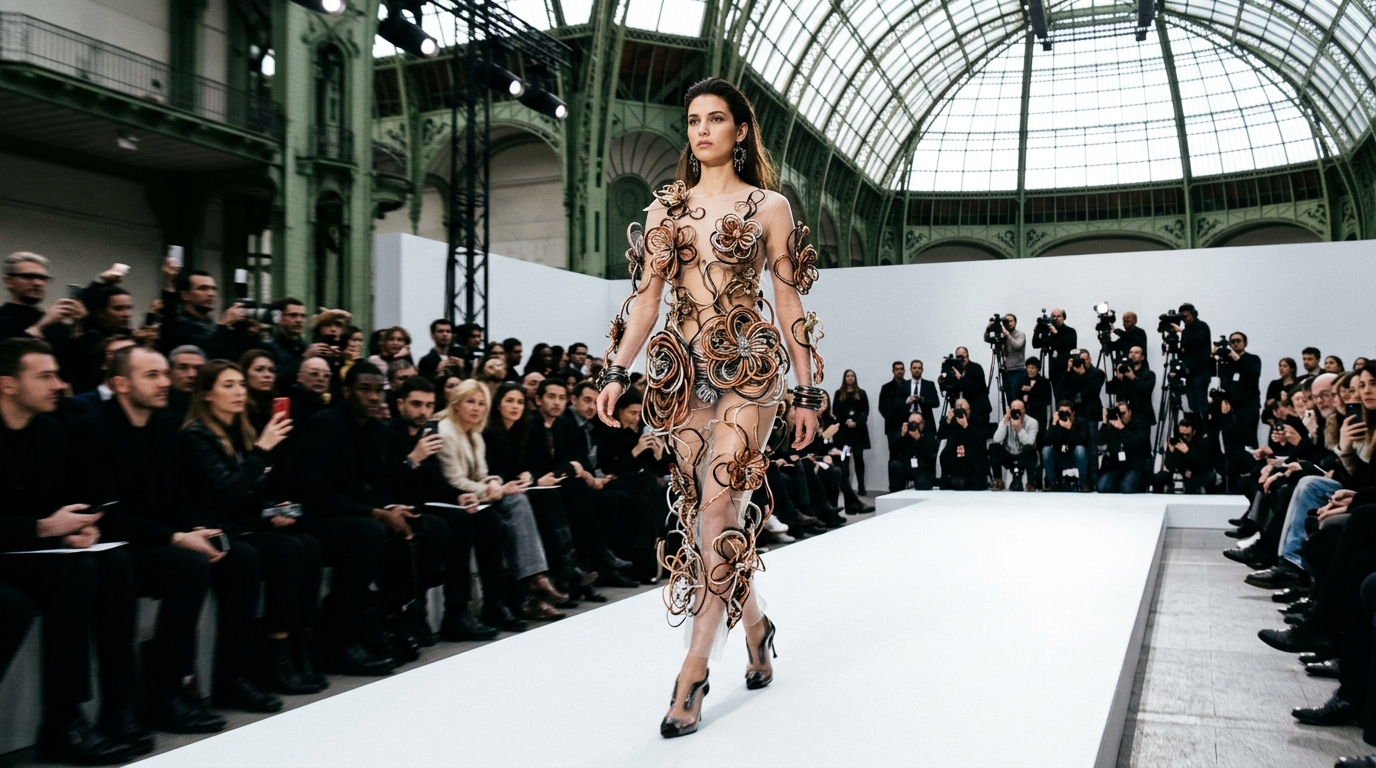
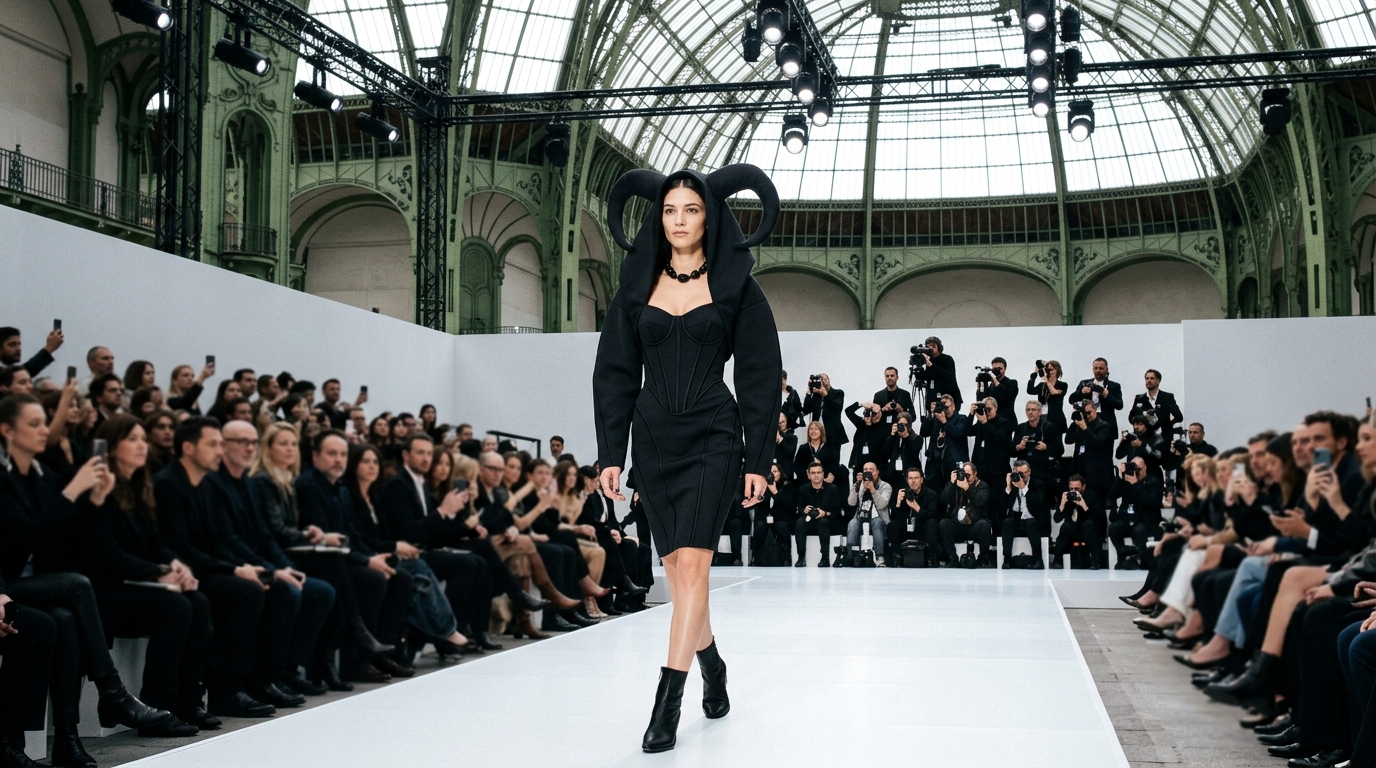
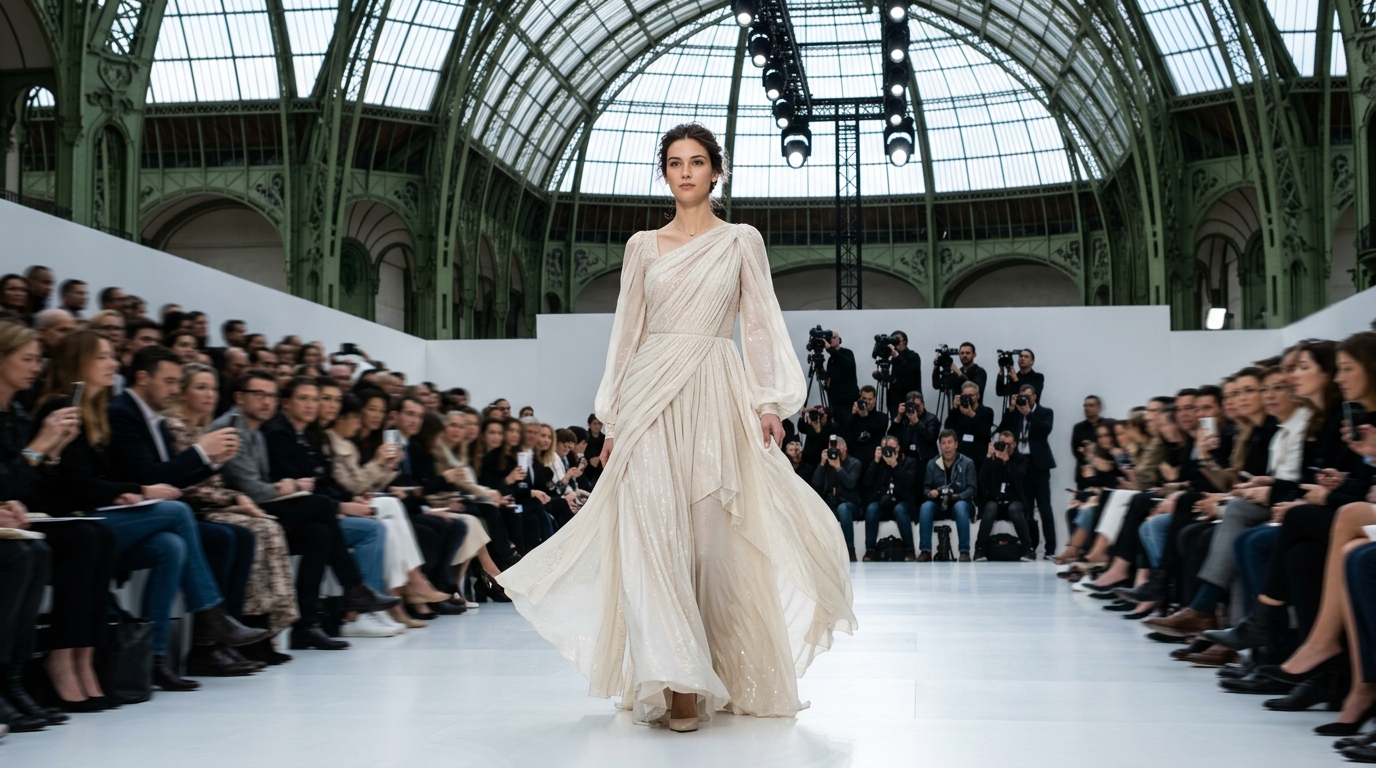
The collection’s design philosophy centered fundamentally on transformation, duality, and the push-pull dialectics that define human psychology and aesthetic experience: the interplay between darkness and light, structured geometric silhouettes and billowing romantic forms, technological innovation and organic beauty found in nature. In the second act, ‘The Villains,’ Coperni explored complex, architecturally rigorous garments in monochromatic palettes dominated by glossy black tones—shiny croc-effect coats with sculptural volume, sharply asymmetrical skirts that challenged conventional hemline logic, and bewitching tailoring that channeled Maleficent-inspired menace without resorting to caricature or costume aesthetics. These pieces represented fashion’s engagement with shadow and complexity, acknowledging that beauty exists not only in lightness but in mystery, darkness, and psychological depth. The final act, ‘The Princess Transformation,’ staged a dramatic visual and thematic pivot wherein models were dressed in modern-day ballgowns that evolved from tattered, deconstructed fabrics into pristine strapless bodysuits with billowing satin sleeves that cascaded to floor length, culminating in Coperni’s visionary interpretation of ‘tech princesses’ for contemporary culture. Here, silicone bodysuits were adorned with flowers crafted from electrical cables, merging futuristic technological aesthetics with romantic floral symbolism in a gesture that epitomized the collection’s core tension. This aesthetic choice—combining haute couture construction techniques with unexpected industrial materials—has become signature Coperni, their distinctive contribution to contemporary luxury, allowing the brand to bridge the perpetually contentious gap between editorial spectacle and real-world wearability that consumes much of fashion discourse.
Signature Silhouettes and Standout Moments
The runway showcased Coperni’s well-earned mastery of silhouette manipulation across diverse body types, skin tones, and individual styling approaches that ranged from playful to austere. Models including Paloma Elsesser, Amelia Gray, Anok Yai, and Irina Shayk embodied the collection’s varied moods with conviction and presence, transforming each silhouette into a personal statement while honoring the designers’ vision. The most discussed and culturally significant runway moment was undoubtedly Kylie Jenner’s closing appearance in a flowing ethereal gown, marking her highly anticipated fashion week runway debut and effectively cementing Coperni’s position as a brand with unquestionable mainstream cultural gravitas and crossover appeal. The show’s architectural finale transitioned seamlessly and deliberately from severe, dark, austere silhouettes to luminous, flower-adorned creations—a physical manifestation on the runway itself of the collection’s thematic arc and philosophical progression—with models literally walking through this transformation from shadow into light. Standout silhouettes included the baby doll dress, a recurring motif that appeared in multiple iterations representing youthful innocence, asymmetrical hemlines that deliberately challenged conventional proportion and Western silhouette expectations, and strapless bodysuits that emphasized clean lines, modern sophistication, and the human form’s architectural possibilities. The Sleeping Beauty tiara silhouette emerged as visual shorthand threaded throughout the collection, appearing as dress structure and proportion, handbag design detail, and shoe embellishment, creating cohesive narrative continuity across otherwise disparate pieces and reiterating thematic consistency.
Color Palette, Fabrication, and Sustainable Innovation
Coperni’s SS25 palette moved boldly and deliberately between three distinct chromatic and psychological zones that paralleled the show’s narrative structure and thematic progression. The ‘Park Tribes’ section embraced bright, joyful floral satins, soft pastels, and crisp whites accented with Disney’s iconic reds and yellows, creating a visual vocabulary of childhood joy and accessible wonder. The ‘Villains’ act pivoted dramatically to monochromatic blacks and deep jewel tones—navy, emerald, and burgundy appearing in croc-effect textures and high-gloss finishes that visually and psychologically suggested a darker, more psychologically mature perspective on fashion and identity. The final ‘Princess Transformation’ carefully reintroduced light through champagne, pale gold, and ivory silhouettes, creating ultimate visual resolution of the collection’s color narrative. Fabrication represented Coperni’s serious commitment to material and environmental innovation: the new Ariel Swipe bag, for instance, was crafted from recycled silicone through an environmentally conscious manufacturing process, platinum-cured and suspended in water-based gel to achieve distinctive softness and elasticity impossible through traditional leather production. Organza, high-sheen synthetics, and premium satin dominated the show, alongside deliberately provocative unexpected materials like electrical cable flowers woven into bodysuits and silicone constructions. Approximately ten percent of the collection was produced in direct collaboration with Disney, featuring coordinated elements that carefully balanced brand identity with authentic character homage, demonstrating that luxury fashion can engage meaningfully with popular culture without sacrificing artistic integrity or perceived sophistication.
Cultural Impact and Commercial Integration
Coperni’s strategic decision to present their collection at Disneyland Paris represented a masterstroke that transcended conventional fashion industry norms and expectations about appropriate venues and presentation contexts. By deliberately locating their show at an entertainment destination rather than adhering to traditional Paris venue conventions, Meyer and Vaillant effectively democratized fashion week itself—guests arrived at 9:30 p.m., walked down a lit Main Street, passed Mickey Mouse waving in greeting, and entered Sleeping Beauty Castle for the runway experience, creating an immersive, Instagram-optimized brand experience that naturally fed into exponential social media visibility and broader cultural conversation beyond traditional fashion circles. The show’s critical reception acknowledged both its audacious conception and flawless execution; fashion critics and industry observers recognized Coperni’s rare ability to satisfy multiple audiences simultaneously: hardened fashion devotees appreciated the technical construction excellence and silhouette innovation, while mainstream audiences connected with the accessible Disney narrative framework and undeniable celebrity moment. The collection’s commercial integration was equally strategic and sophisticated: the Mickey Mouse-eared Swipe bag launched at 650 euros, creating an immediate, profitable bridge between runway fantasy and purchasable consumer reality that vindicated the collection’s commercial viability. Kylie Jenner’s runway debut amplified visibility exponentially across mainstream media, positioning Coperni as a brand confidently featuring celebrities while somehow maintaining editorial credibility and industry respect. This SS25 show effectively established Coperni as serious contenders for the fashion industry’s most innovative and culturally relevant presentations, proving definitively that spectacle and substance need not be mutually exclusive categories but rather complementary forces when orchestrated with intentionality and artistic conviction.
Verdict
Coperni’s Spring/Summer 2025 collection represents a watershed moment for contemporary fashion—a rare and precious instance where commercial ambition, artistic vision, and cultural relevance aligned with near-perfect synchronicity and intentionality. By choosing Disneyland Paris as their venue and weaving Disney narrative authentically into their design DNA rather than superficially, Meyer and Vaillant created a show that transcended fashion industry boundaries entirely to capture mainstream cultural attention while maintaining critical credibility. The collection itself demonstrated undeniable technical mastery: silhouettes that transformed dramatically across acts while remaining structurally sound, fabrication innovations like recycled silicone bags and electrical cable embellishments that expanded fashion’s material vocabulary, and a color narrative that deliberately reinforced thematic progression and psychological journey. The sophisticated balance between fantastical inspiration rooted in childhood memory and wearable reality proved precisely why Coperni has become absolutely essential in the contemporary luxury landscape. Kylie Jenner’s runway debut provided an undeniable celebrity moment, yet the presentation never felt gimmicky or forced within the collection’s larger artistic context and narrative framework. Fashion critics and industry observers overwhelmingly recognized both the audacious conception and the flawless execution, with most acknowledging that Coperni SS25 fundamentally established new possibilities for how luxury brands might meaningfully engage with popular culture without sacrificing artistic integrity. The collection’s commercial success—with the Mickey-eared Swipe bag commanding 650 euros and selling prolifically—validated that contemporary consumers genuinely hunger for fashion that acknowledges joy, nostalgia, and imagination alongside sophistication and technical excellence. This was Coperni’s largest collection ever presented, yet it felt precisely calibrated and edited rather than bloated or unfocused, standing as testament to disciplined curatorial vision. Spring/Summer 2025 will be remembered not merely as the moment Coperni partnered with Disney, but fundamentally as the moment when the brand proved that fashion’s authentic future lies in unabashed celebration of beauty, transformation, wonder, and the human desire for transcendence.