
Acne Studios Spring/Summer 2025: Domestic Dreams and Surreal Innovation
Acne Studios presented an audacious exploration of domestic codes transformed into high fashion for Spring/Summer 2025, with Creative Director Jonny Johansson collaborating with visual artist Jonathan Lyndon Chase to create a runway experience that felt simultaneously inviting and otherworldly. The collection offered a playful peek behind closed doors, where familiar household elements—draped curtains, waxed tablecloths, and upholstery prints—were reimagined as striking runway pieces. Johansson’s approach rejected fashion seriousness in favor of experimentation and joy, channeling the spirit of viral ‘Brat Summer’ energy into bold silhouettes and unexpected fabrications. In a season dominated by cerebral minimalism, Acne Studios arrived with permission to play, to experiment, and to find beauty in the quotidian materials surrounding us. The collection spoke to a contemporary audience fatigued by the formality of high fashion, offering instead a wardrobe philosophy rooted in personal expression and whimsical reinvention. Through waxed textiles, exaggerated proportions, and deconstructed silhouettes, Johansson created a narrative arc that felt fresh, accessible, and deeply considered despite its apparent playfulness.
The Collection
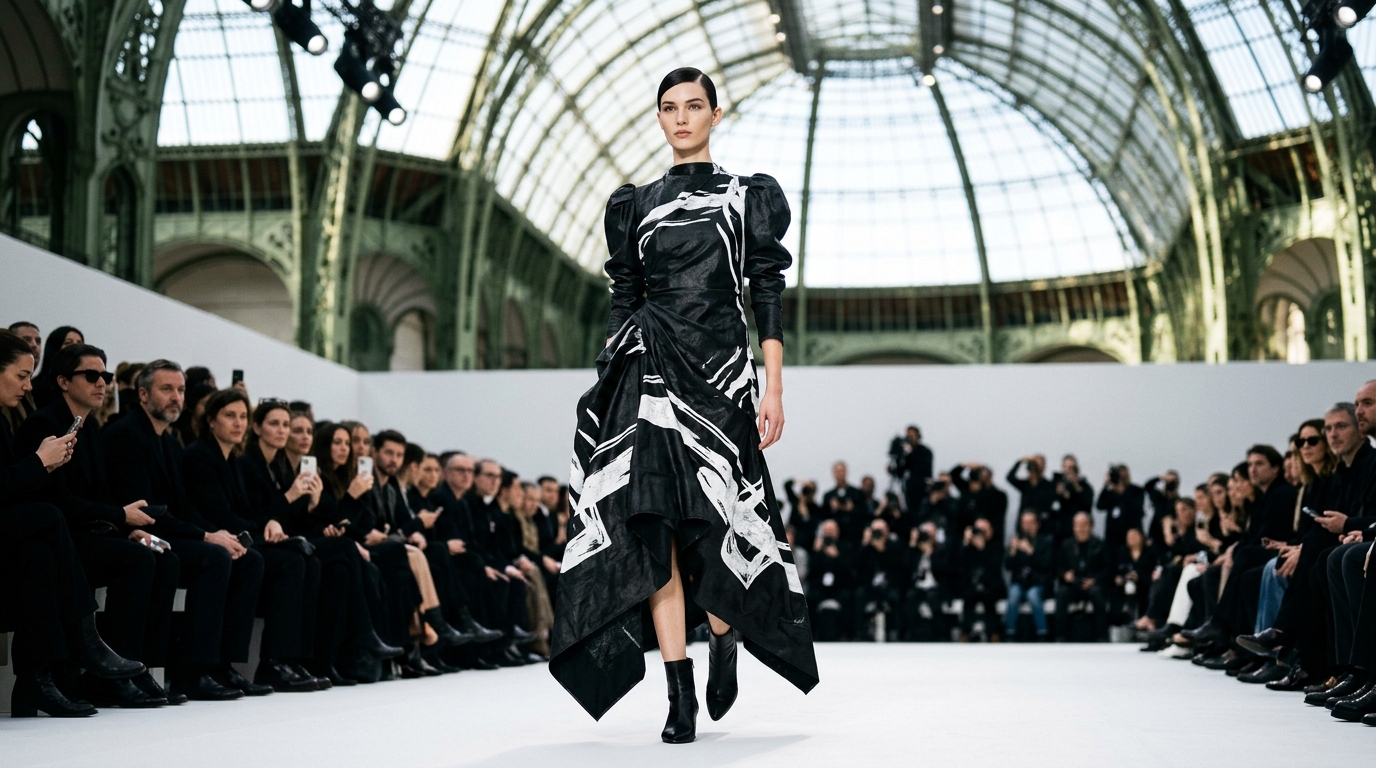
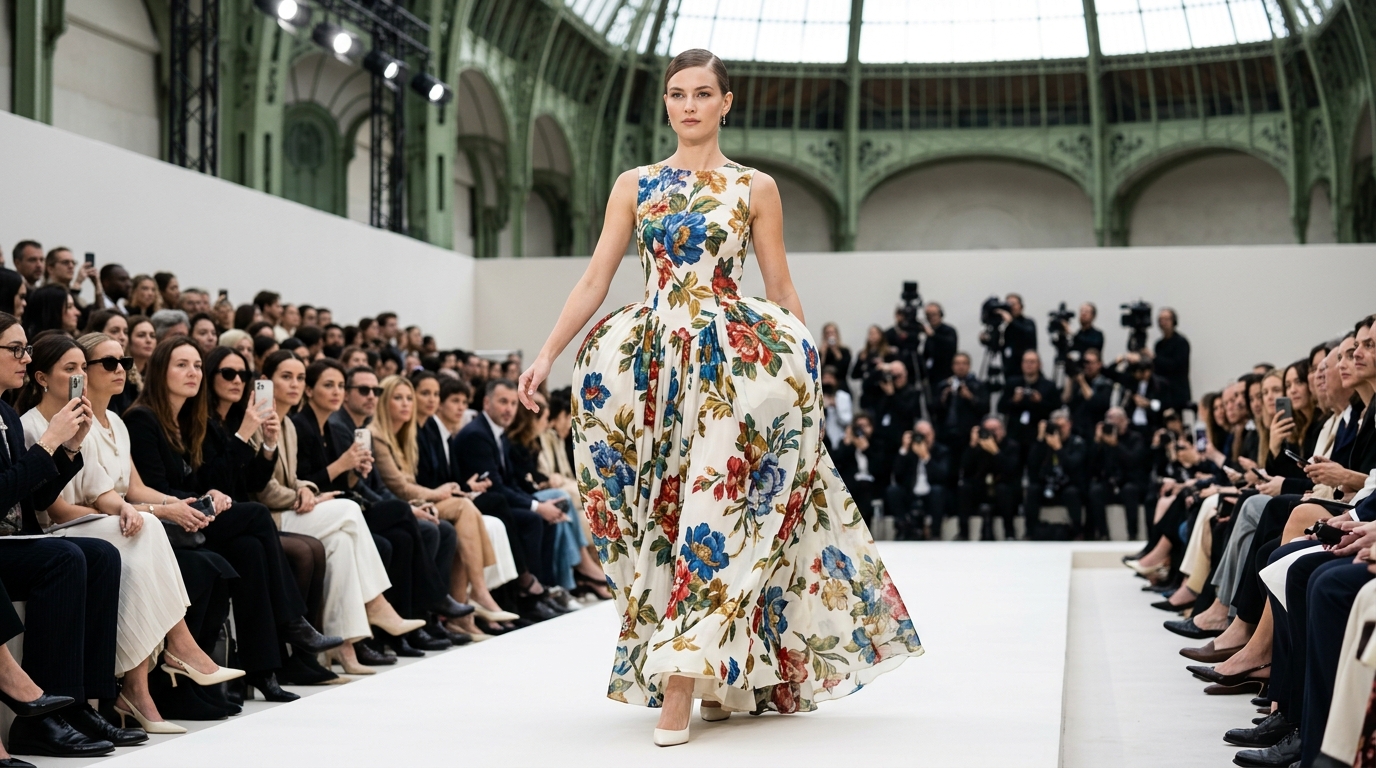
The Spring/Summer 2025 collection masterfully blended domestic inspiration with surreal innovation, positioning everyday household elements as unexpected sources of fashion inspiration. Waxed tablecloths were transformed into sculptural silhouettes with complex pleating and structured volume, draped curtains became flowing garments that maintained the fabric’s distinctive hand, and upholstery prints migrated onto refined pieces where they assumed new significance. This approach wasn’t about literal translation but rather about extracting the essence of domestic comfort and translating it into something entirely new—something that felt both familiar and alien simultaneously. The result was a collection that invited wearers to question their relationship with clothing and embrace a more playful, experimental approach to personal style. By elevating materials associated with home furnishings to runway prominence, Johansson challenged conventional hierarchies of material value and desirability. The collection demonstrated that luxury exists not in exclusivity or scarcity but in thoughtfulness, craftsmanship, and the courage to reimagine the overlooked.
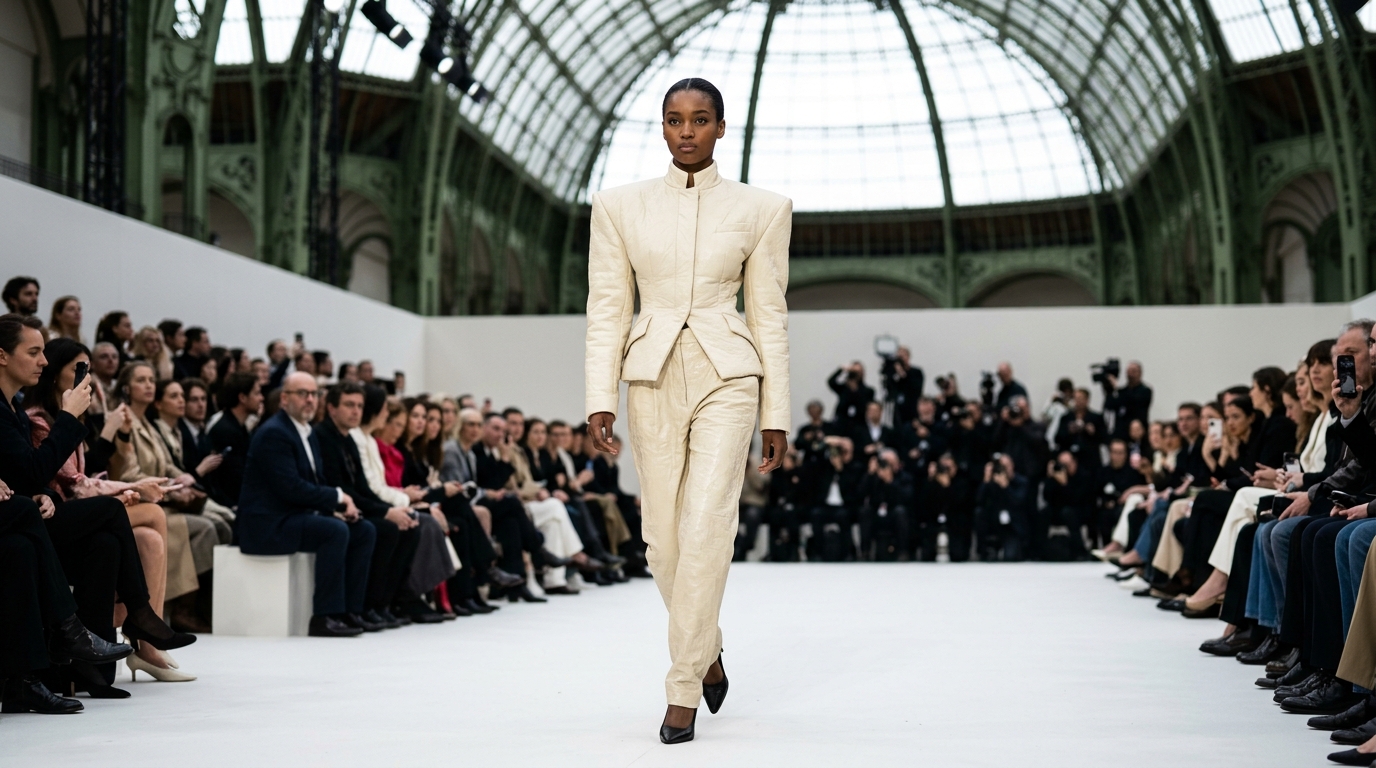
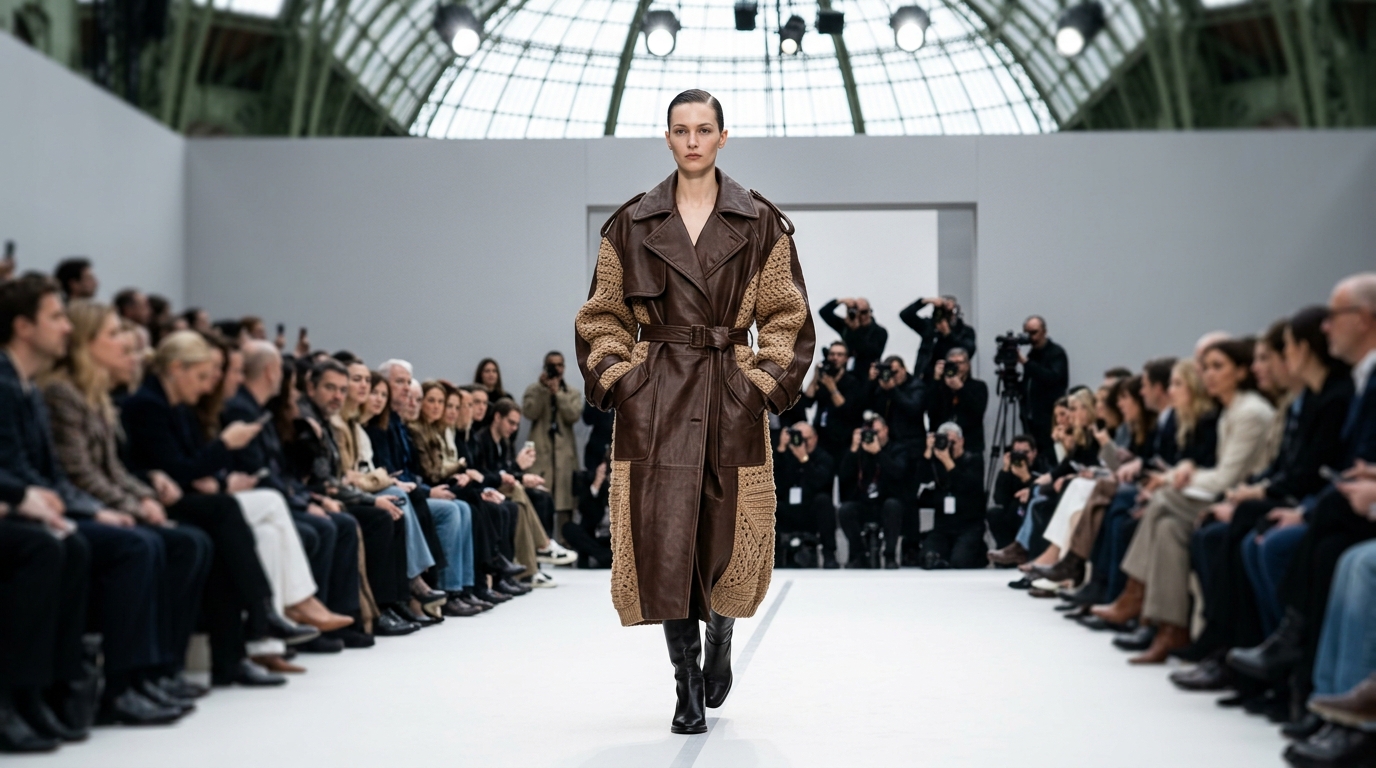
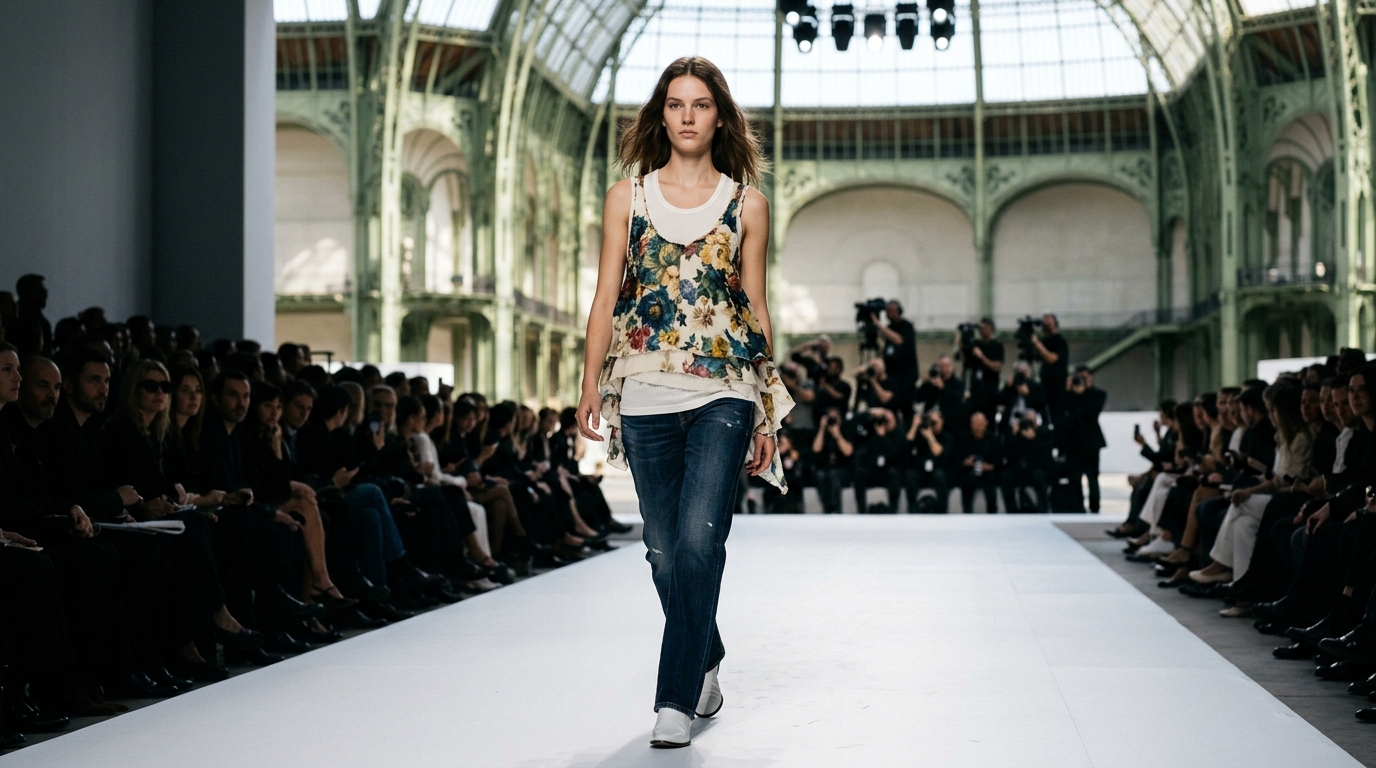
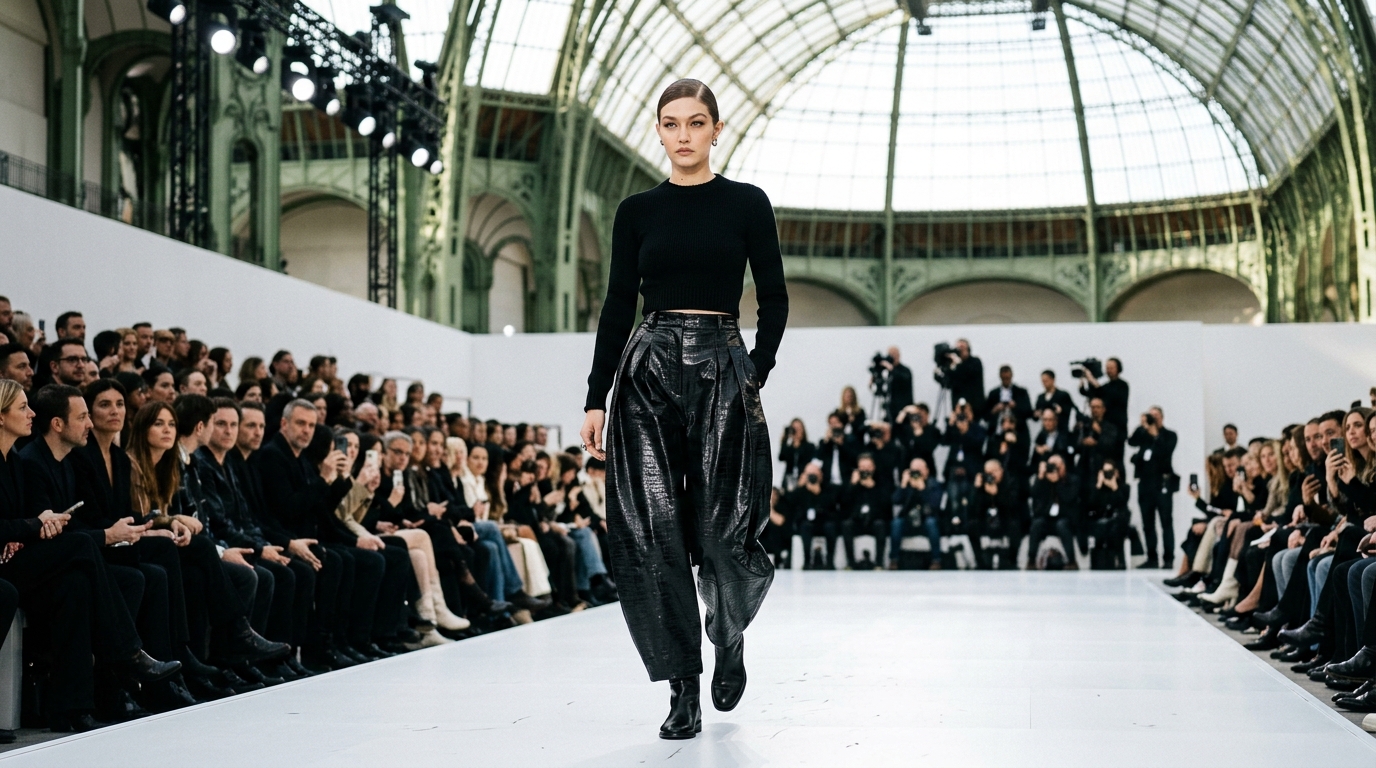
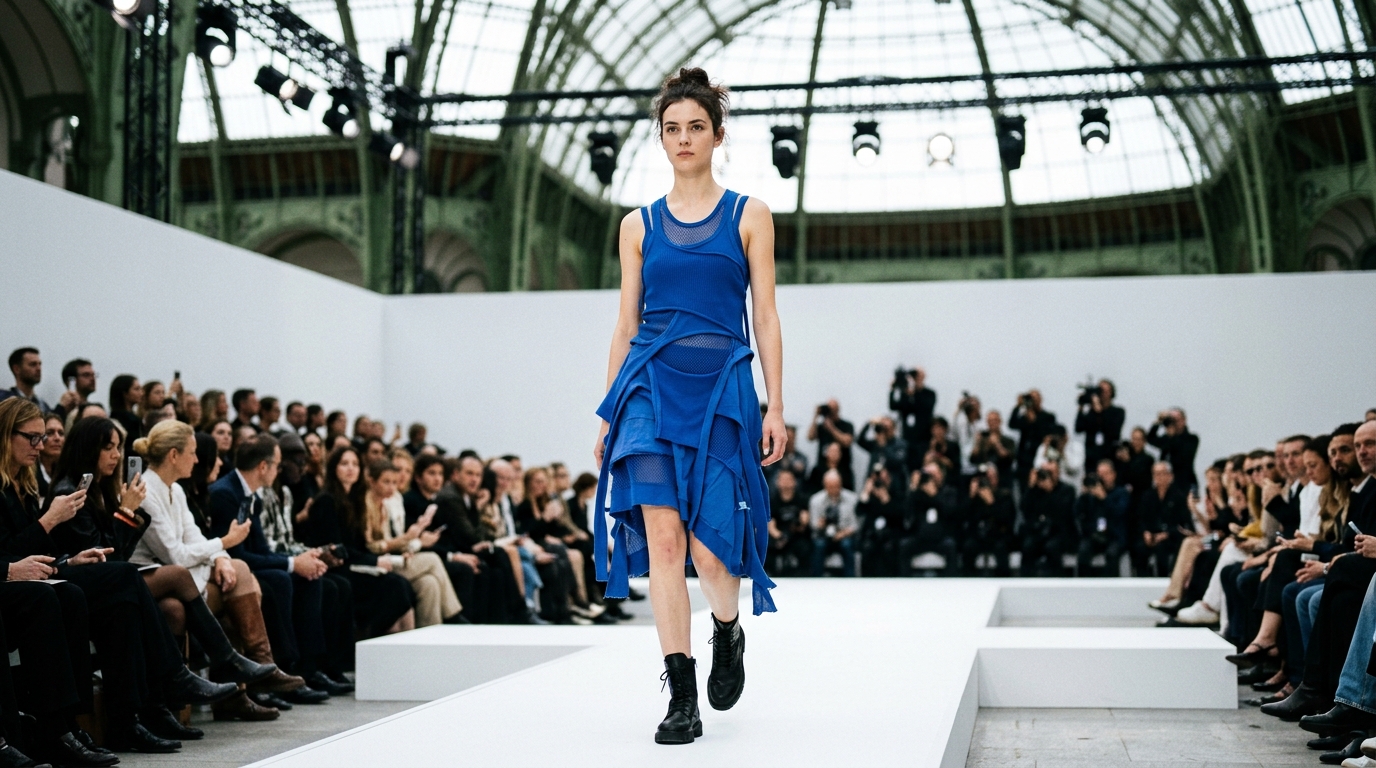
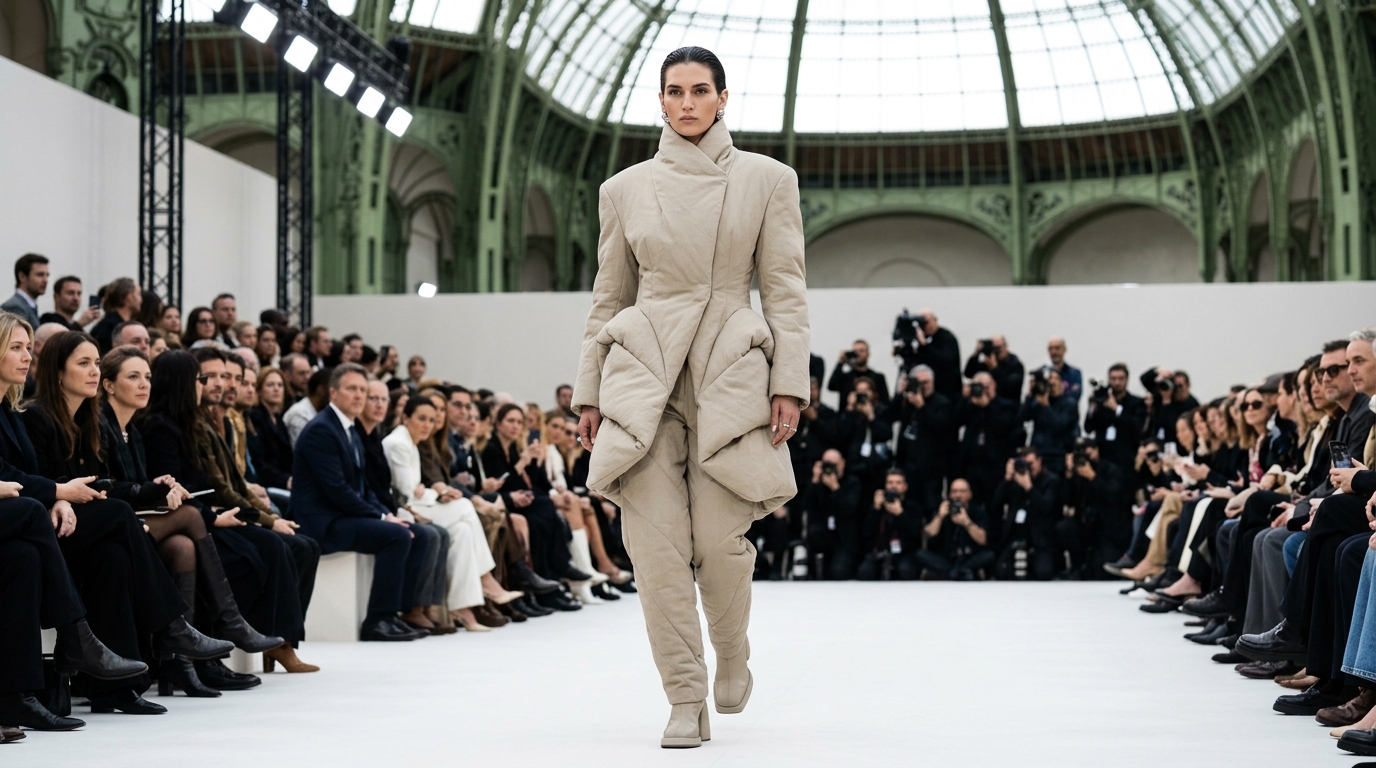
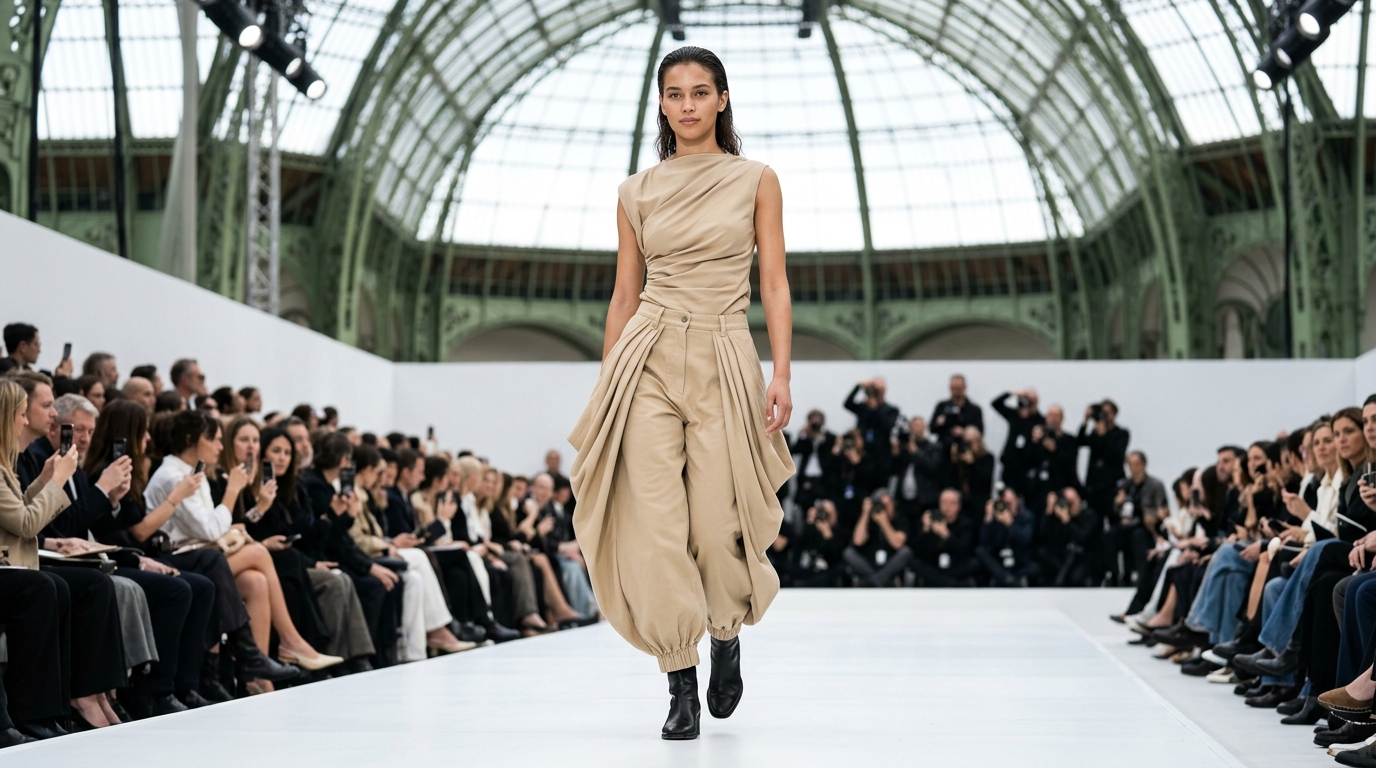
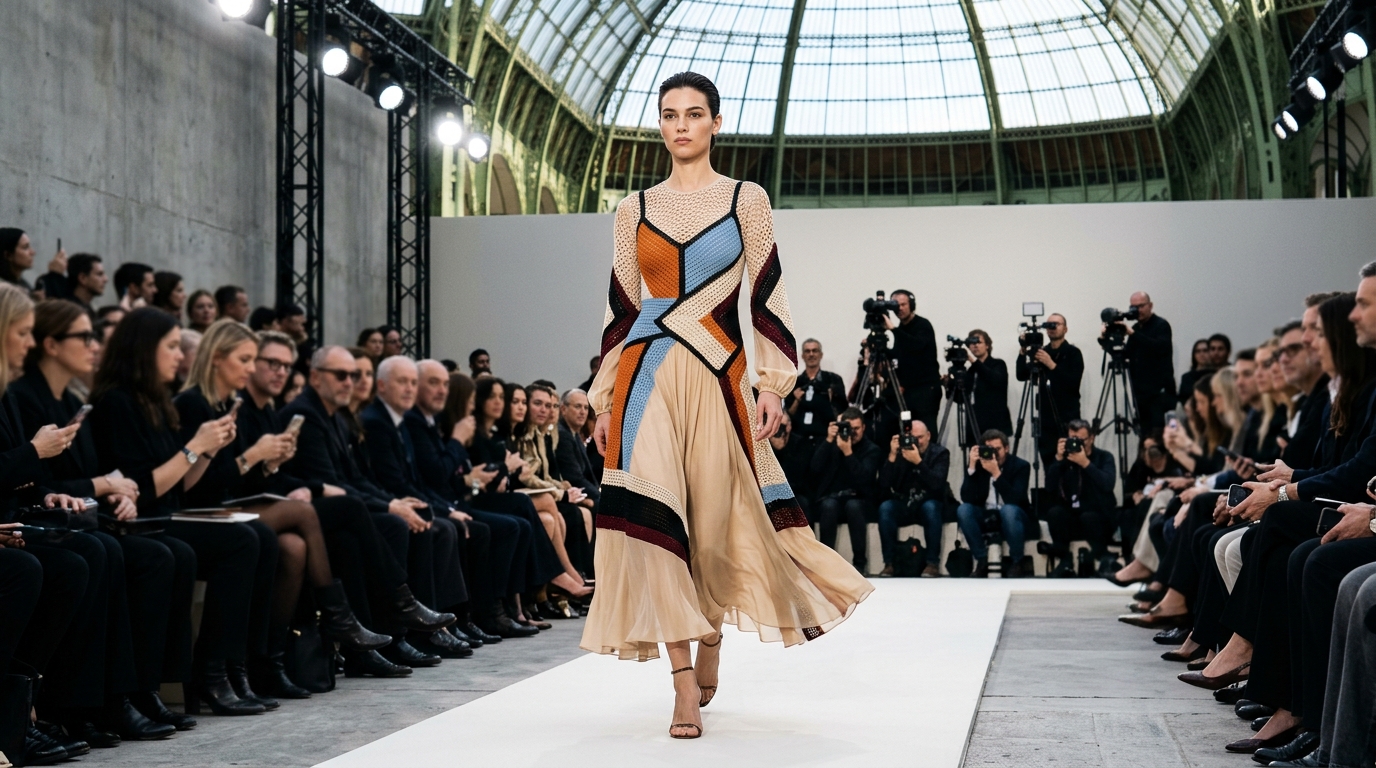
Johansson’s experimentation with silhouette and proportion dominated the runway with fearless conviction. Bulbous jeans sat alongside beefy leather trenchcoats that demanded space, while undone dresses pieced together from tank tops and fine ribbed undershirts offered a deliberately deconstructed aesthetic that celebrated imperfection as design virtue. Flowing chiffon maxi gowns in dramatic upholstery prints created contrast with exaggerated hip proportions and shrunken knits that skewed the eye in unexpected directions. The collection featured padded suiting with unexpected volume distribution that defied tailoring tradition, mock croc textures that created tactile disruption, and macro crochet elements that created a textural feast for the senses. These head-turning proportions weren’t about conventionality—they were about pushing boundaries and encouraging wearers to embrace boldness in their personal presentation. By placing volume where fashion traditionally demands subtraction, Johansson created a democratic approach to tailoring that celebrated diverse body types and refused the tyranny of conventional flattery. The collection’s proportion-forward approach suggested that true confidence comes from embracing one’s own silhouette rather than conforming to predetermined ideals.
The material palette reflected both sophistication and playfulness in equal measure. Crushed leather brought texture and movement to structured garments, waxed fabrications created visual drama and sculptural potential, macro crochet introduced labor-intensive detail work that elevated casual materials, and mock croc textures created unexpected sensory experiences. Colors ranged from neutral domesticated tones to unexpected vibrant accents, with the overall effect creating a wardrobe that felt both wearable and theatrical. Johansson’s vision resonated with audiences by demonstrating that fashion doesn’t always need to be serious; instead, it can be an expression of individual joy, creativity, and a willingness to experiment with personal presentation. Each textile choice served narrative purpose, contributing to the broader story of domestic reimagination. The combination of materials created an almost alchemical transformation—base materials elevated through thoughtful design choices into objects worthy of exhibition.
Domestic Codes Reimagined
The conceptual foundation of Acne Studios SS25 lies in Jonny Johansson’s transformation of domestic elements into fashion statements of genuine artistic merit. Waxed tablecloths evolved into structured garments with architectural complexity, draped curtains became flowing silhouettes that retained their material essence, and household upholstery prints appeared on refined pieces where they assumed new cultural significance. This wasn’t about literalism but about extracting the emotional and aesthetic qualities of domestic comfort and translating them into high fashion worthy of runway presentation. The collection invited viewers to reconsider the spaces they inhabit daily and the materials that surround them, questioning whether fashion inspiration must always come from external sources or whether it can be found within the familiar confines of home. By elevating household textiles, Johansson democratized luxury in a meaningful way, suggesting that beauty and inspiration exist everywhere if we’re willing to look. The collection’s conceptual framework encouraged viewers to see their homes differently—not as utilitarian spaces but as repositories of design inspiration and material richness. This philosophical approach to sourcing distinguished the collection from mere novelty and grounded it in genuine artistic inquiry about the nature of material value and aesthetic merit.
Proportion and Silhouette Innovation
Johansson’s most striking contributions came through his masterful manipulation of proportion and volume in ways that felt revolutionary rather than arbitrary. Exaggerated hip proportions created new body contours, shrunken knits offered contrast against voluminous bottoms, padded suiting with unexpected placement disrupted conventional tailoring logic, and bulbous denim silhouettes challenged footwear-to-silhouette ratios. These proportions weren’t arbitrary design flourishes—they were carefully considered choices that challenged traditional notions of flattery and fit. By embracing silhouettes that drew attention to their own construction rather than conforming to traditional body ideals, the collection offered a refreshing perspective on contemporary fashion design and personal expression. The proportion work demonstrated sophisticated understanding of visual balance, with exaggeration deployed strategically to create dynamic tension rather than chaos. Each silhouette felt intentional, earned through design consideration rather than applied superficially. The collection suggested that true innovation in tailoring comes not from following conventions but from understanding them thoroughly enough to know precisely where and how to subvert them. This approach to silhouette established Johansson as a designer deeply committed to expanding the visual vocabulary of contemporary fashion.
Material Exploration and Texture
The collection showcased exceptional material craftsmanship with crushed leather, waxed fabrications, macro crochet, and mock croc textures creating distinct visual and tactile identities throughout. Each material choice served deliberate purpose within the broader narrative, contributing to the sense that this collection was about depth, layering, and deliberate construction worthy of serious artistic consideration. Fabrics moved fluidly from structured pieces requiring material manipulation to flowing garments that showcased the inherent qualities of textiles in their purest form. This material diversity demonstrated that luxury in contemporary fashion often comes from thoughtful material selection and technical execution rather than excess or ornamentation. The exploration of texture revealed Johansson’s deep understanding of material behavior—how different fibers interact with light, move with the body, and age over time. Macro crochet provided handmade detail that elevated pieces with visible labor investment, while waxed fabrics created high-shine drama and sculptural possibility. The collection’s material intelligence suggested that contemporary luxury exists in the particularity of material choices, in the dialogue between fiber and form, in the visible evidence of craft commitment. By privileging texture and materiality, Johansson created a collection that demanded to be experienced in person, where photographs could capture neither the light-play nor the tactile information essential to understanding the designer’s vision.
Verdict
Acne Studios’ Spring/Summer 2025 collection represented a bold statement about the future of contemporary fashion—one where joy, experimentation, and playfulness take precedence over rigid aesthetics and formal conventions. Jonny Johansson’s vision, realized through collaboration with visual artist Jonathan Lyndon Chase, created a collection that felt simultaneously wearable and theatrical, accessible and avant-garde. By mining domestic inspiration and embracing unconventional proportions and materials, the collection offered a refreshing counterpoint to the often-serious world of high fashion. For those seeking to break free from conventional dressing codes and embrace a more experimental, joyful approach to personal style, Acne Studios SS25 provided both inspiration and permission. The collection wasn’t about fitting in—it was about standing out with intention, creativity, and a smile. In a fashion landscape often dominated by trend-chasing and aesthetic conformity, Johansson’s willingness to center joy as a design principle felt revolutionary and necessary. The collection will age remarkably well, serving as a reminder that the most enduring fashion comes not from following rules but from understanding them thoroughly and knowing precisely when to break them.